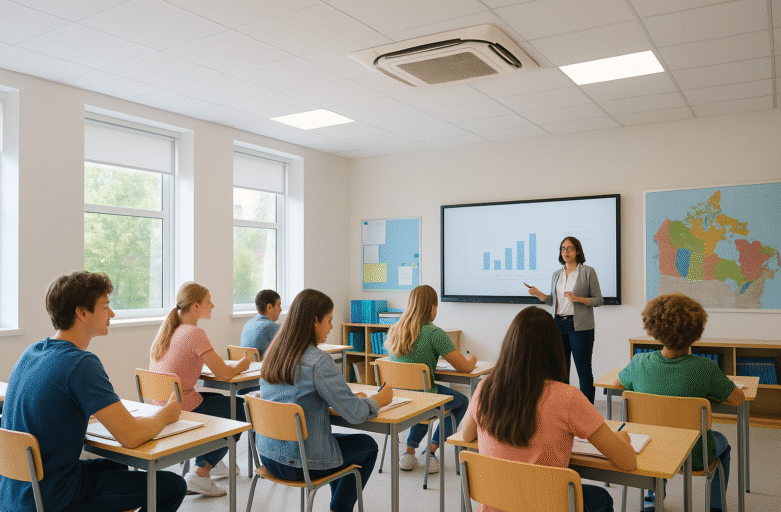
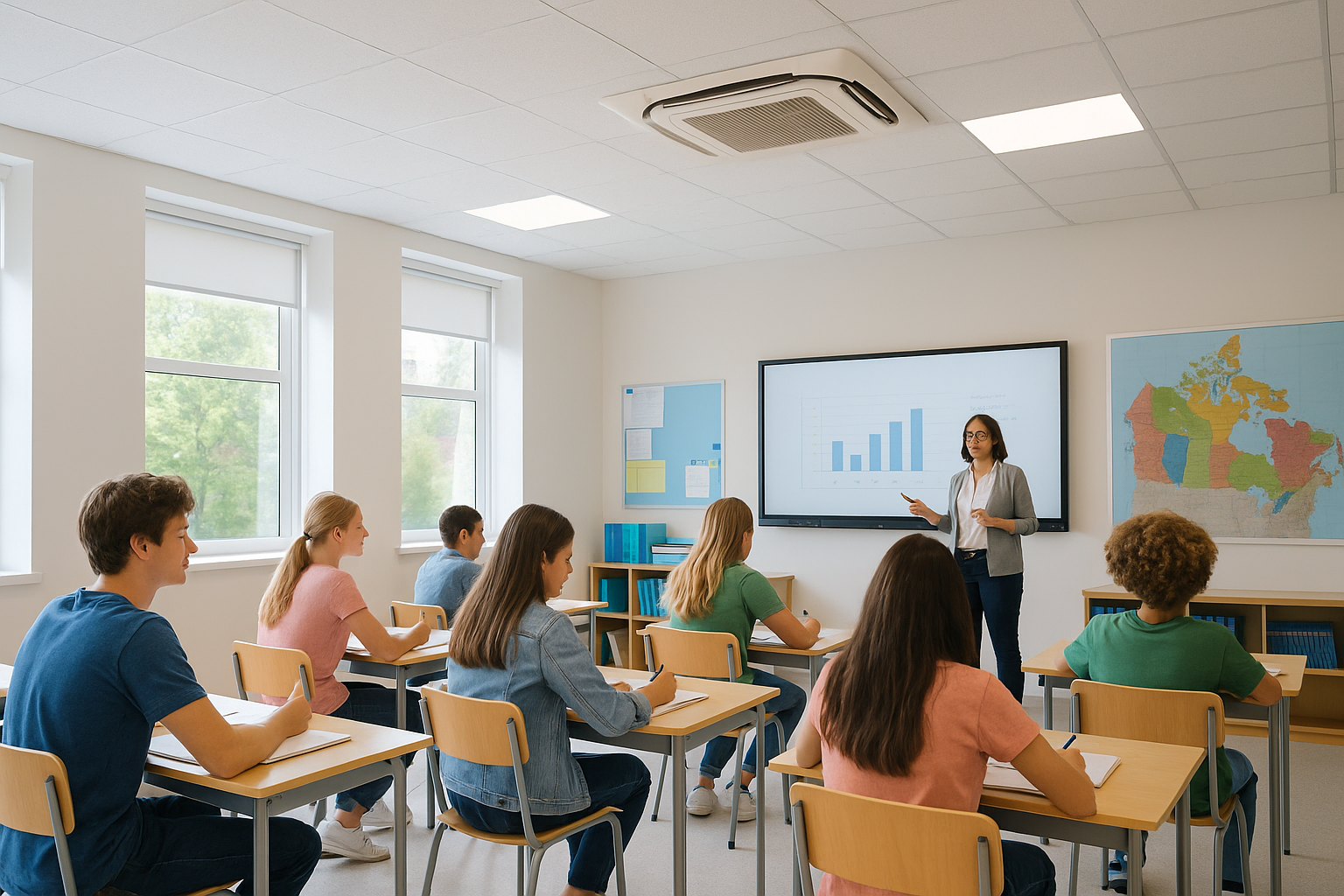
As summers in Metro Vancouver grow hotter year after year, the topic of air conditioning in schools—particularly in Surrey’s secondary schools—is no longer a luxury conversation. It’s a necessity. While we’ve always prided ourselves on being a region that can get by with fans and open windows, recent climate trends are making it clear: we need to prepare our schools for the heat.
And with student well-being, performance, and attendance on the line, investing in professional AC installation in Surrey, BC is one of the smartest and most immediate steps we can take.
Rising Temperatures in Surrey: A Growing Concern
Historical Climate Trends
It’s no secret to anyone living in the Lower Mainland: summers have changed. According to Environment Canada, average summer temperatures in the region have been steadily climbing over the past two decades. In Surrey, days above 25°C were once sporadic—now, they’re regular. By 2021, the city experienced a record-breaking heat dome, with temperatures exceeding 40°C in some parts of the Fraser Valley.
This shift is especially alarming for schools, where students are expected to focus and perform despite classroom conditions that can quickly become uncomfortable and unsafe.
Notable Heat Events
- In June 2021, B.C. experienced a historic heat wave, setting all-time records across the province.
- Surrey secondary schools reported heat-related absences, and some classrooms reached indoor temperatures well above 30°C.
- Many older school buildings—especially those built before the 2000s—still lack central air conditioning systems.
With these events becoming more frequent, it’s clear that secondary schools are not built to handle today’s climate reality.
The Impact of Heat on Student Learning and Health
Cognitive Performance
High indoor temperatures have a measurable impact on student performance. A study published in the Journal of Environmental Economics and Management found that standardized test scores dropped as temperatures rose, especially in schools without air conditioning. Heat impairs short-term memory, focus, and problem-solving—skills essential in any academic environment.
Physical Health and Attendance
When classrooms become too hot, the risk of heat-related illnesses rises—particularly for students with asthma, diabetes, or other chronic conditions. Dehydration, fatigue, and heat exhaustion can easily disrupt the school day.
In Surrey’s schools, reports of student absences increase during late spring and early summer due to heat discomfort. Without proper climate control, entire classrooms can lose critical learning time.
Mental Well-being
On top of physical risks, heat also affects students’ emotional states. Irritability, stress, and fatigue are more common in overheated environments. When students feel uncomfortable or unsafe, their ability to engage, participate, and retain information significantly decreases.
The Case for Air Conditioning in Schools
Enhancing Academic Performance
Cool, climate-controlled classrooms support concentration, alertness, and overall academic success. In districts across North America where AC was introduced, students showed improved test scores and reduced behavioral issues. For example, a 2018 Harvard study linked air conditioning with better cognitive performance during heatwaves.
Promoting Health and Safety
Air conditioning not only cools but also filters and circulates air—an added benefit during wildfire season or periods of poor air quality. With B.C. increasingly affected by smoke and environmental pollutants, AC systems double as an air-quality management solution.
Supporting Equity in Education
The lack of AC disproportionately affects students from lower-income households, who may not have cooling systems at home. This creates a wide gap in comfort, readiness, and academic performance. Ensuring that all schools—regardless of location or budget—have modern HVAC systems promotes fairness across the education system.
Implementing AC Solutions in Surrey’s Secondary Schools
Assessing Current Infrastructure
Surrey’s school board has made efforts to modernize its buildings, but many secondary schools still rely on outdated ventilation systems or window units that are inefficient and noisy. A building audit is a good starting point to determine which schools are most in need of full-system upgrades.
| School Type | Year Built | AC Status | Upgrade Priority |
|---|---|---|---|
| Older Secondary (1970s–1990s) | 1976 | No central AC | High |
| Mid-Range (2000s) | 2005 | Partial AC | Medium |
| New Builds (2015+) | 2017 | Central AC | Low |
Sustainable and Energy-Efficient Options
Modern HVAC systems offer energy-efficient solutions that lower long-term costs and carbon footprints. Some of the best options for schools include:
- Variable Refrigerant Flow (VRF) systems for quiet, targeted cooling
- Ductless mini-splits in portable or modular classrooms
- Smart thermostats and zoning for flexible usage control
Incentives from BC Hydro and FortisBC can also help schools fund these upgrades while staying eco-conscious.
Community and Stakeholder Engagement
The push for AC installation doesn’t just rest on school boards—it requires community advocacy. Parents, educators, and health professionals can play a key role by voicing concerns and pushing for funding at the provincial and district levels.
If you’re a Surrey resident concerned about your child’s learning conditions, contact your school PAC or district trustee and ask what steps are being taken to improve classroom climate control.
Local Expertise Matters
Partnering with a company experienced in school and institutional projects makes a major difference. A trusted HVAC contractor will ensure proper design, quiet operation, and long-term service support. If you’re looking for reliable support, our team specializes in AC installation in Surrey, BC, with a focus on high-capacity systems tailored for public buildings.
To learn more about our process or past school projects, check out our Commercial HVAC Services page.
Building a Climate-Ready Education System
Installing air conditioning in secondary schools isn’t just about comfort. It’s about:
- Protecting students’ health during extreme weather
- Improving academic outcomes
- Reducing long-term energy costs through efficient systems
- Ensuring equity for all students in every neighborhood
By making this investment now, we prepare not just for the next heatwave, but for a future where every student can learn, thrive, and succeed—no matter what the weather brings.